
“We wonder how long we should put up with this national slaughter"
1990 letter to a tobacco company
(since this letter was written more than 14 million American men and women have died from tobacco use - the slaughter continues)
The policy approach to address the damage of legal drugs needs to change. Policies mostly have focused on reducing percentage of users, warning about the dangers, but not stopping the harm caused by the products/industry. The commercialization/legalization of drugs represents one of the greatest public health disasters, responsible for more injury and death than any genocide or war. Addressing and correcting this would save millions of lives and be one of the greatest achievements in health history. The harm caused by legal/commercial drug use is a public health emergency — and it’s time policies reflect that urgency.
Compare how we treat products we use or consume vs. drugs when injury, illness, or death occurs…(keep scrolling)
Lets Make Health History
Consumer and Community Health Matters…Except for Drugs
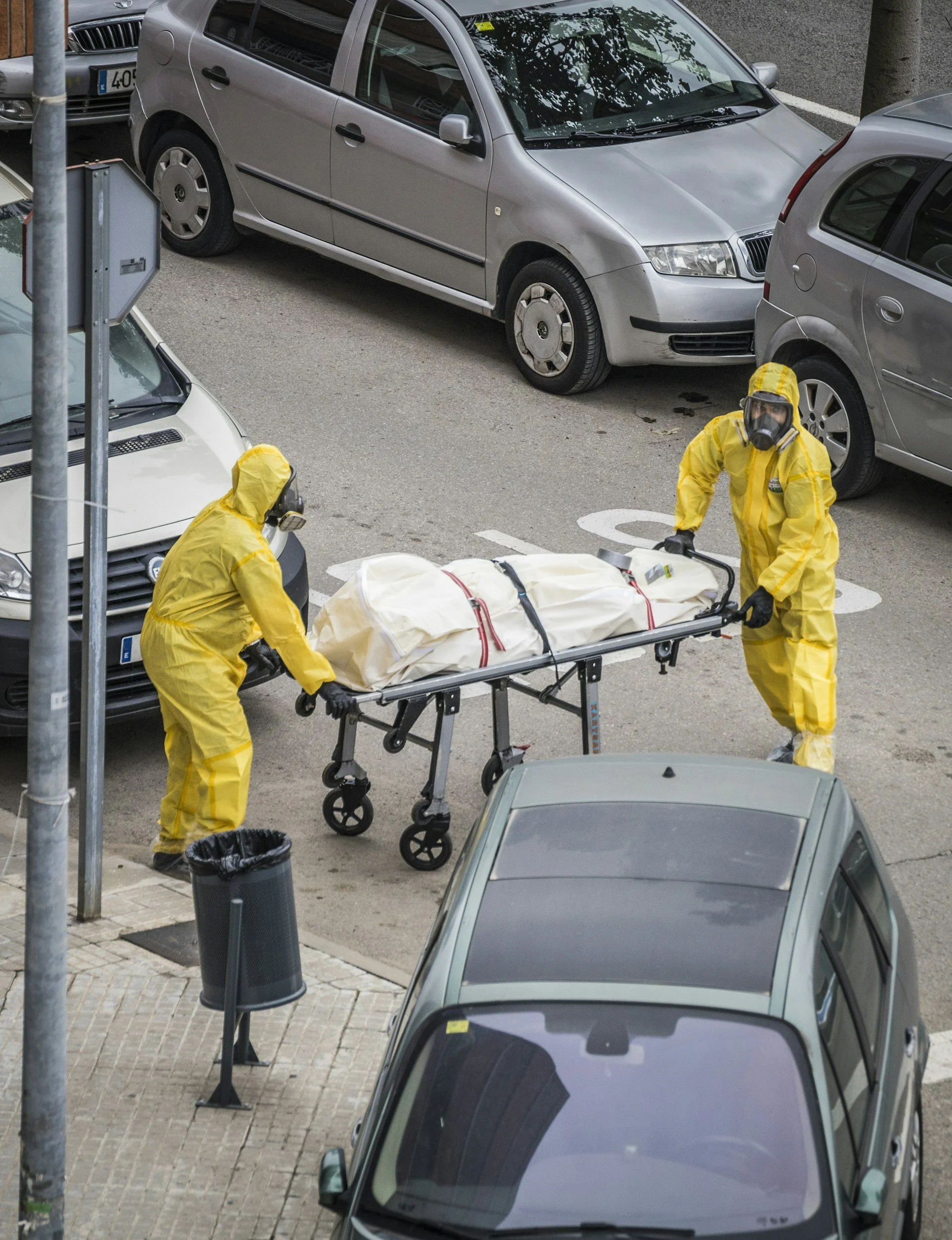
For most products we use or consume, any potential or real harm—such as illness, disease, or death—usually results in manufacturers pulling the product from shelves, or government intervention to stop sales. However, when it comes to legal drugs (including certain pharmaceuticals), we often overlook basic health and safety measures and accept serious consequences like cancer, heart disease, overdoses, injury, violence, impaired driving, mental health issues, and death. Despite the fact that drugs cause more harm and deaths than many other products, our consumer safety standards remain stricter for foods like lettuce or liverwurst. This needs to change.
The Make Health History Project (MHHP)
The MHHP is building a new, nonpartisan, broad based (across all drugs) movement dedicated to making health history by ending the toll caused by the legalization/commercialization of drugs. The MHHP believes we can create communities, states, and a country where the people’s health is prioritized over those who profit from drugs. The good news, there is action being taken to prevent the commercialization/legalization of more drugs (like marijuana) and end the sale of other harmful drugs, like tobacco (keep scrolling). The Make Health History Project will expand and accelerate the work being done, increase coordination and collaboration among the public health response, grow support for drug free people and communities, and finally bring a common sense health policy ending the sale of harmful drugs in a manner best for the health and safety of the person using and the community.
Education and Action
Some may view the focus of the Make Health History Project (MHHP) as a little extreme. By following this site and the MHHP, the hope is you will see that allowing drugs to injure, disable, and/or kill so many is the extreme position. There are individuals, organizations, funders, coalitions, government agencies, elected officials, health and safety professionals, and others where more information and education is needed. For others, they get it and want to know how to make a difference. Through the Make Health History Project work and website, you can find the latest news and information on drugs/drug use, industry strategies, policy action (good or bad), why and how change can happen in your state or community. This is a public health emergency where we need a bigger, better coordinated movement.
How did we let this happen? Just one of these outcomes would have caused any other product we consume to be recalled from the marketplace. For legal drugs - we said it’s acceptable. No more.
Why We Need A New, Coordinated Approach

Policies And Actions Don't Reflect A Public Health Emergency
The health and safety impact of drug use exists in an entirely different stratosphere. Yet the public health response is neither urgent nor oriented toward ending the harms of the products. Remember (scroll up if you missed it), over 300 people dying in plane crashes, ten people dying from contaminated meat, or the threat of illness, caused planes to be grounded and products to be pulled from the marketplace. In these instances, the public health and safety response focused squarely on identifying the cause of harm and removing the danger from the marketplace. But when it comes to legal drugs , cancer, heart disease, injury, illness, car accidents, violence, and death are all acceptable outcomes - no state or national action to pause or stop the sale of the drug. Drug use and it’s safety and health impact is a public health emergency - policies need to reflect that urgency.

Drug Sellers Are Coordinated- Harming the Same Populations - We Need A Unified Approach
The marijuana industry is using the tobacco industry’s playbook—and tobacco and alcohol corporations are investing in marijuana, creating a shared set of interests, strategies, and influence across these industries. Drug use itself is also interconnected: roughly 20% of people who use drugs engage in multiple substances at once, and often use of illicit drugs begins with a legal drug. The impacts of drug use, illegal or legal, ripple far beyond individual users, affecting children, families, employers, law enforcement, policymakers, social services, and healthcare systems.
Yet funding, policy responses, and expertise remain siloed by substance. This approach is no longer sustainable or effective given the increasing overlap between all drugs, the industries involved, and the populations affected by them. Greater coordination among organizations and professionals working across the drug landscape is essential.
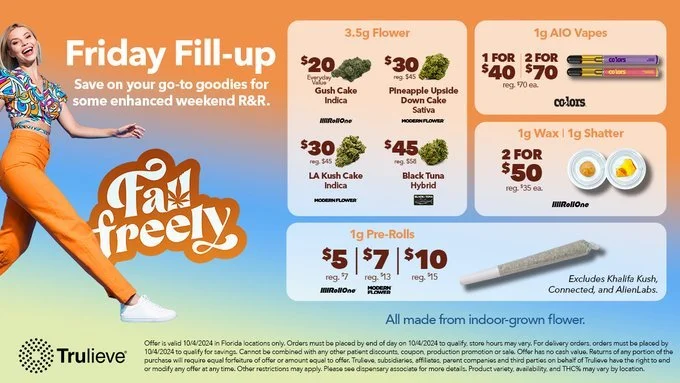
“Medical” Marijuana Ad - About Money, Not Medicine
Growing Drug Commercialization and Menu of Harmful Products/Practices
The drug sellers have become more bold and aggressive raising addiction levels (higher alcohol, nicotine, THC content for example) in their products, mixing drugs with soda and gummy bears, expanding the flavor menu, selling opioid like substances, such as gas station heroin, and other products designed to get people high. The tobacco industry has demonstrated the depths drug sellers will go for a profit - being found guilty of lying for decades, paying legal settlements with every state, and killing more than ten million of its customers didn’t stop them from addicting for profit. The tobacco industry playbook is being used to legalize/commercialize more drugs. In the 1950’s, tobacco companies ran ads that doctors recommended Camel cigarettes. The marijuana industry moved that deception to another level promoting marijuana as medicine. As you can see (see image), “medical” marijuana is most often sold like alcohol and tobacco, not medicine (no dosage, duration, contraindications, which marijuana for which illness, etc.). This is reckless on many levels including deceiving those seeking medical solutions for serious issues. The public health response needs to be as bold and aggressive at protecting the health and safety of the people.
“Tobacco Industry Expands Lobbying Efforts by 24% across the U.S. in 2025”
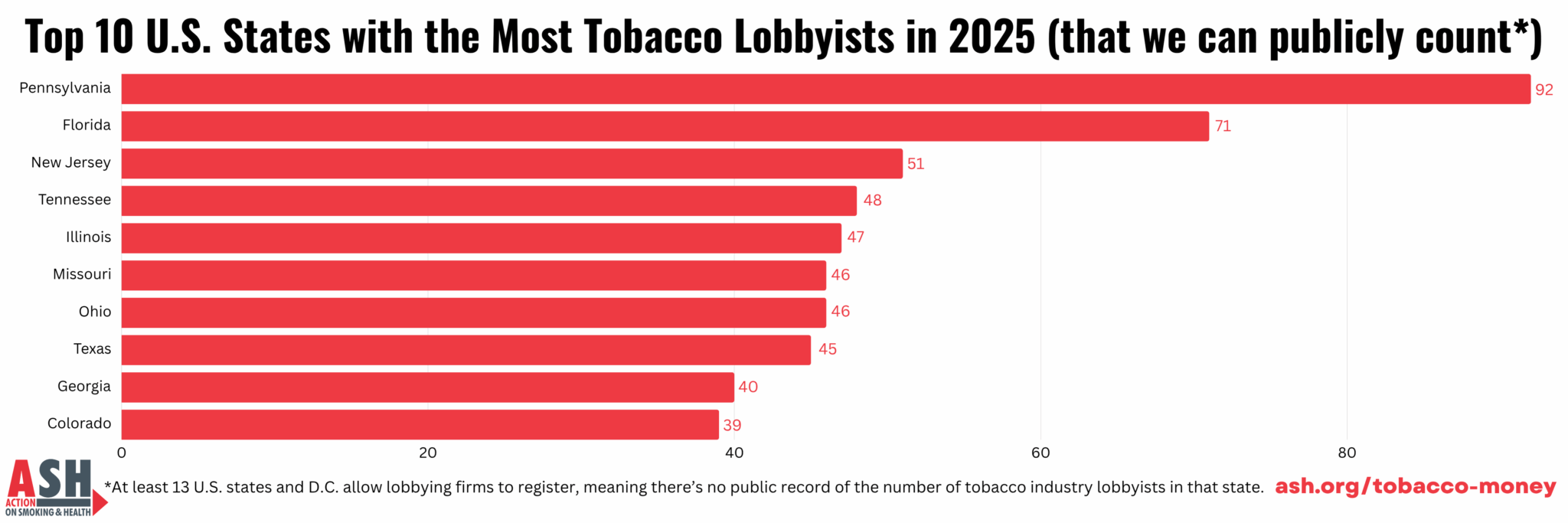
Dangerous And Deadly Game of Regulatory Chase - Wrong Approach
Controlling or reducing, rather than ending, the sale of dangerous drugs leads to a deadly, decades-long game of regulatory chase. The work to reduce tobacco use has saved millions of lives and billions in dollars, yet the tobacco industry still caused over 10 million U.S. deaths (100+ million worldwide), reaped huge profits, and retains political control at the state and federal level. Deep pockets fund lobbyists, lawyers, PR professionals, elected officials, celebrities, and others to protect and/or promote harmful products. When policy aims to control instead of end sales, public health must divert scarce resources to counter industry efforts to block, delay, or weaken protections while promoting new products and markets.
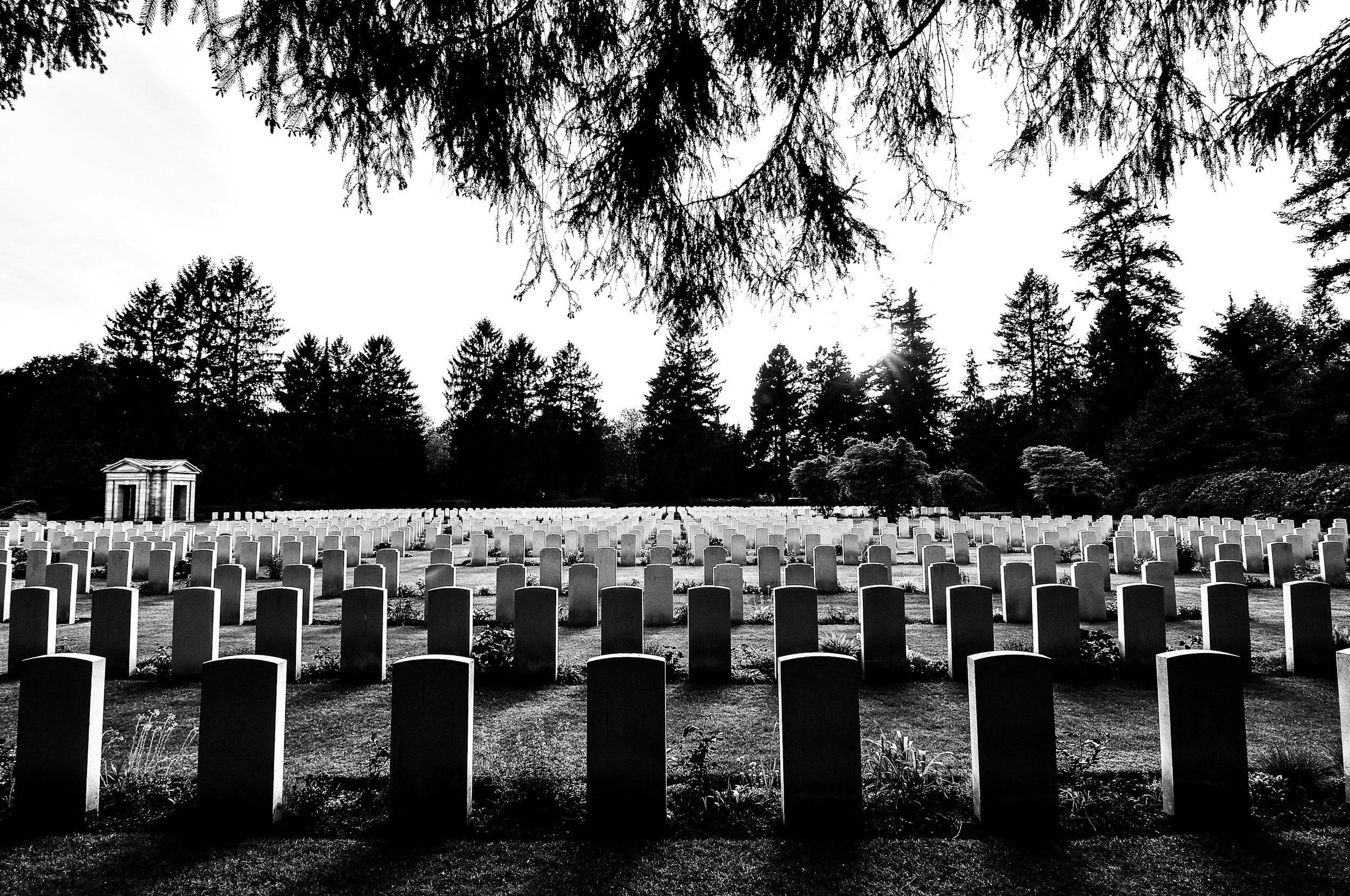
The Cost of Drug Use - Nothing Compares
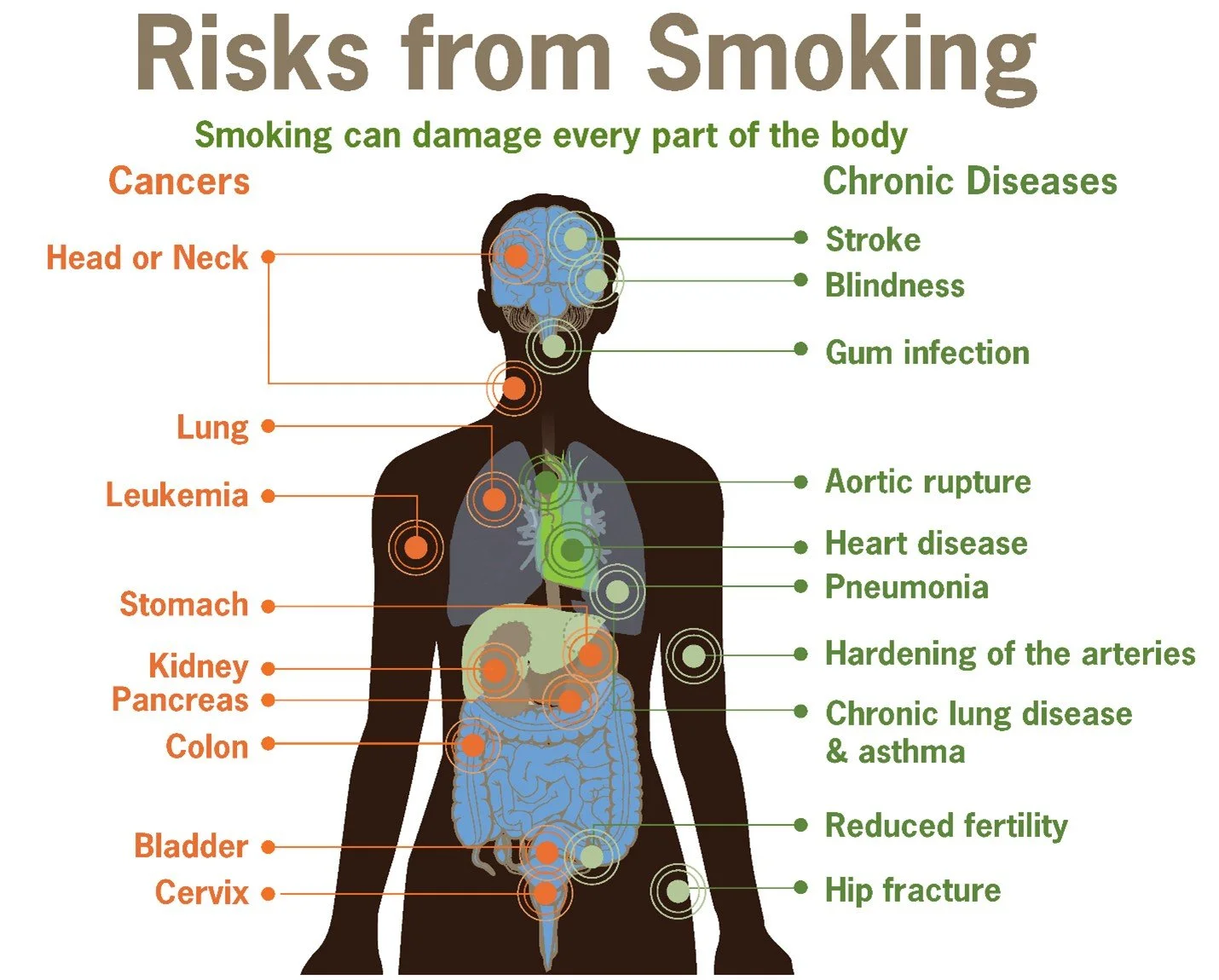
Eliminating the harm caused by drug use would represent a major milestone in public health. The vast impact of drug use is staggering, with just alcohol and tobacco accounting for more than $800 billion in economic losses annually and claiming over 600,000 lives—including both users and non-users—each year (178,000 due to alcohol, 480,000 due to tobacco). Consequences of drug use range from addiction and illnesses like cancer and heart disease, to violence, accidents, cognitive impairment, psychosis, and death. The negative effects extend far beyond those who use substances, affecting families, friends, employers, law enforcement, mental health systems, healthcare providers, the military, and educational institutions. Drug use can also intensify broader social issues such as homelessness, violence, and poverty. Addressing and ending the pain caused by drug use would be a transformative achievement for public health.

Good News - Action Is Already Happening
The most powerful commercial drug industry (tobacco) and emerging industry (marijuana)—are facing policy headwinds. States and communities have blocked new marijuana legalization/commercialization efforts. We have seen the first U.S. communities end the sale of tobacco/nicotine products, a policy approach now supported by California’s state program and the Truth Initiative, a national nonprofit. Thanks to the decades of work to reduce tobacco use and expose the tobacco industry, polling shows support for ending the sale of tobacco products before a campaign has even begun.
In 2024, Massachusetts voters rejected a ballot measure to legalize psychedelic drugs and voters in Florida rejected marijuana legalization. Congress has taken action to end intoxicating hemp products that rapidly entered the market. These developments show that meaningful resistance is possible, and that there are states, communities and policymakers willing to question the legalization/commercialization of addictive or impairing drugs. There are community members, organizations, medical/health professionals, and more across the country that are already at work preventing and ending the harm of drug use. The Make Health History Project is about growing and expanding their work and success.
Need More Information/Education?
The Make Health History Project (MHHP) will provide educational opportunities through:
The growing of this website, our social media presence, and media advocacy.
Making available materials and links for the latest information/resources/expertise.
Conducting monthly webinars.
Upon request, provide virtual or in-person presentations to health and safety coalitions, organizations, funders, and/or conferences.
The MHHP materials and presentations cover a broad range of topics from presenting the case for change, understanding the toll of legal drug use, strategies being used to increase drug use, to how change can take place in your state or community.
See the contact form below to provide your information, ask any questions you may have, and/or, if applicable, to request a presentation.
You can also click on the support button (below) to help fund the Make Health History Project. Whether you can give a little or more, any financial support helps to accelerate the MHHP work to end the damage caused by drugs.
Ready To Make Health History? Next Steps.
First, please fill out the contact form below to:
Get on our email list to receive updates and information.
In the message section, mention you are supportive, and if you have specific expertise/interest area or connections with groups, funders, or organizations that may be interested in the Make Health History Project (MHHP).
Request a virtual or in-person presentation for your health and safety organization, coalition, or conference. The MHHP materials and presentations cover a broad range of topics from presenting the case for change, understanding the toll of legal drug use, strategies being used to increase drug use, to how change can take place in your state or community.
The MHHP will be conducting monthly educational webinars featuring information and expertise to increase understanding of drug use, industry strategies and counter strategies, the latest in drug treatment, and work happening to end the toll of drug use. , The goal of the MHHP is to break down the drug program and policy silos, increase communication and coordination in the public health response, build support for new policy direction for legal drugs, and grow the movement to encompass all drugs and stakeholders.
To financially support the MHHP, please click on the Support button. Whether you can give a little or more, it helps to accelerate our work to make health history. Support of MHHP is not tax deductible.
Pass the word - please let others know about the MHHP and follow us online:
Keep checking back to this website for updated information and activity.
Welcome!
We look forward to working with you to save millions of lives.
Frequently Asked Questions
Which drugs are being focused on for this project?
The primary focus is three categories of legal/commercialized drugs: Psychoactive drugs made available through commercial sources (alcohol, tobacco, marijuana) and those either pursuing a commercialization through medicalization strategy, such as marijuana and now psychedelics, and psychoactive substances entering commercial stores such as kratom or “gas station heroin”, or tianeptine, which is not approved by the FDA nor under the Controlled Substances Act. The final focus area is psychoactive prescription medications, like opioids, where the MHHP will monitor and act when FDA has weakened or abandoned established protocols to approve a drug, like with oxycontin (opioids) where the focus is more on commercial, not patient, interests.
I’m just interested in (or working on) one drug - can I still be involved with MHHP?
Yes, absolutely. We understand organizations and coalitions are often drug specific (working solely on tobacco, alcohol, opioids, etc.). The work of MHHP is to help build support happening in specific drug areas and, as part of your involvement with MHPP, increase the knowledge of policy and program work in other drug categories and understand possible collaboration opportunities.
I’m all in - how can I make a difference?
Your time, passion, expertise, and/or money can make difference. Make sure to fill out the contact from below to get added to our email list. In the message section, list how you would like to help - providing expertise, connections to organizations/individuals/coalitions/funders, and/or just ready to volunteer where needed and pass the word about MHHP.
To help fund the MHHP, click on the support button and follow us online.
What Now? How Do We Begin to Make Health History?
About Make Health History Project (MHHP) and Its Founder

The Make Health History Project, llc (MHHP)is the creation of Bob Doyle, a long time public health advocate (see bio below). The MHHP is not affiliated, nor will ever accept funding - indirectly or directly- from, any political party or drug maker or manufacturer (including commercial and pharmaceutical) or persons or organizations working on their behalf. The MHHP is a nonpartisan effort to make health history by ending the devastation caused by legal drug use. The MHHP is focused on building a new, nonpartisan, movement and policy direction tapping both existing work and expertise and building new coalitions and support where needed. Ending the suffering and pain is long overdue and the MHHP is excited to work with others to blaze a new path and change the health outcomes for so many children and adults.
Bob Doyle is the founder of the MHHP. Bob is a longtime, often frustrated, health advocate and a longtime, often frustrated, unaffiliated (neither a D or R) voter. Bob is focused on what is helping or hurting the health (physical, mental, financial) of the people, not a political party. Bob lost his mother to tobacco use and has seen, through his life and work, the suffering caused by drug use. He brings more than 30 years of experience in substance use prevention, specializing in community mobilization, coalition building, public policy, and industry accountability. His career began in California during the pioneering tobacco control movement, where he advanced early smoke-free workplace policies, built community coalitions, and received state and national media coverage of his work to expose and counter the tobacco industry. Based primarily in Colorado, Bob has led efforts to pass comprehensive smoke-free laws, address the emergence of electronic smoking devices, and counter the commercialization and influence of the tobacco and marijuana industries.
Bob’s passion for health is also personal - he enjoys endurance sports having completed several Ironman distance triathlons, marathons, and ultramarathons (50K and 50 miles).

“About a year and a half ago my mother died from cancer of the lungs…She took so many painkillers she actually hallucinated. December 31 she died in my arms. At that time she weighed 86 pounds”
Contact
The Make Health History Project is for those interested in ending the harm caused by drug use. If you would like more information about the Make Health History Project, want to be added to our email list, request a presentation, or want to volunteer or become more involved, please fill out the contact form and list specific requests or ways you can help in the Message section. Our email is below as well.
Email
info@makehealthhistory.org